
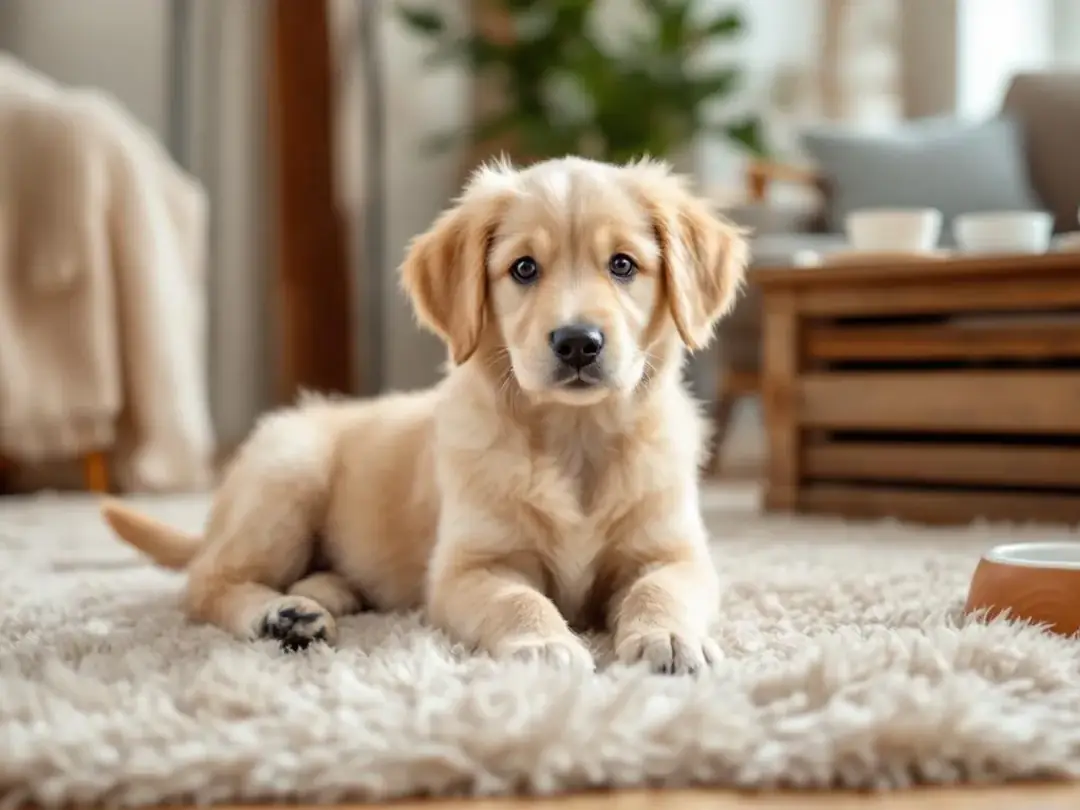

Getting an 8-week-old puppy feels like bringing home a furry tornado of energy, accidents, and adorable chaos. Your new pup needs structure, and you need a plan that actually works in real life. The good news? A solid routine transforms those overwhelming first few weeks into manageable, predictable days that set both of you up for success.
Most puppies thrive on consistency, and the 8 week mark is perfect timing to start training good habits. Your puppy has just been weaned and is ready to learn the rhythms of their new environment. This complete schedule covers everything from frequent potty breaks to nap times, feeding, and those crucial early training sessions that shape your puppy's development. If you are still getting ready for the transition, our bringing home a new puppy guide can help you prepare the house and your routine before day one.
Essential 8-Week Puppy Schedule Overview
An effective 8 week puppy schedule revolves around four core components that work together like clockwork. Your young pups need potty breaks every 1-2 hours, four daily meals, 16-18 hours of sleep, and short 5-10 minute training sessions that won't overwhelm their developing attention spans.
Consistent scheduling from day one prevents behavioral issues and accelerates house training success. When you establish routines immediately, your puppy learns what to expect and when to expect it. This predictability reduces anxiety and creates a safe space for learning.
| Routine Area | Typical 8-Week Goal | Why It Matters |
|---|---|---|
| Potty breaks | Every 60-90 minutes while awake | Reduces accidents and builds house training habits |
| Meals | 4 meals per day | Supports growth and keeps energy more stable |
| Sleep | 16-18 hours in 24 hours | Prevents overtired behavior and supports development |
| Training | 5-10 minute sessions | Builds focus without overwhelming the puppy |
The 8-week mark represents optimal timing because puppies are weaned from their mothers and neurologically ready for structured routines. Their bladder control is still developing, but they can begin forming associations between actions and consequences-the foundation of all successful puppy training.
Your schedule should balance four essential elements: elimination management, feeding times, supervised activity periods, and rest. Each component supports the others, creating a rhythm that feels natural for both you and your new puppy.
Daily Feeding Schedule for 8-Week Puppies
Feed your puppy four times daily at consistent intervals: 7am, 12pm, 5pm, and 8pm. This spacing prevents blood sugar drops while accommodating their small stomach capacity and high metabolic needs.
| Time | What to Do | Helpful Note |
|---|---|---|
| 7:00am | First meal | Follow with a potty break 15-30 minutes later |
| 12:00pm | Second meal | Keep portions consistent day to day |
| 5:00pm | Third meal | Good time for a short calm activity after digestion |
| 8:00pm | Final meal | Helps set up the evening routine before bed |
Portion sizes depend on your puppy's expected adult weight, typically ranging from 1/4 to 1/2 cup per meal of high-quality puppy food. Check the feeding guidelines on your puppy's food package, then divide the daily amount into four equal portions.
Remove food after 15-20 minutes, even if your puppy hasn't finished eating. This establishes eating discipline and prevents free-feeding habits that complicate potty training. A puppy who eats on schedule eliminates on schedule.
Provide fresh water throughout the day, but remove the water bowl 2-3 hours before bedtime to reduce nighttime accidents. Young puppies need hydration for proper development, but strategic water management supports your potty training efforts.
Schedule potty breaks 15-30 minutes after each meal. This timing takes advantage of your puppy's natural elimination patterns and creates positive associations between eating and going outside. If you need a more step-by-step housebreaking plan, our how to potty train a puppy guide goes deeper into routines, rewards, and accident management.

Potty Training Schedule and Frequency
Take your puppy outside every 60-90 minutes during waking hours. This frequent schedule might feel overwhelming initially, but it prevents accidents and accelerates the house training process. Remember, success in potty training comes from management, not hoping your puppy will figure it out alone.
Mandatory potty breaks occur at specific times: immediately upon waking, after meals, after play sessions, and before bedtime. These moments represent peak elimination times when accidents are most likely to happen indoors.
| Potty Trigger | Recommended Response | Why It Helps |
|---|---|---|
| Waking up | Go outside immediately | This is one of the highest-risk accident times |
| After meals | Take out within 15-30 minutes | Matches normal digestion and elimination patterns |
| After play | Offer a quick potty trip before settling | Excitement often leads to sudden urgency |
| Before bed | Take out right before crate time | Reduces overnight accidents |
Watch for signals that indicate your puppy needs a potty break: sniffing the ground, circling, whining, or scratching at the door. Young pups often give only brief warnings, so stay alert during supervised time outside the crate.
Use the same door and designated outdoor spot consistently. This routine helps your puppy understand where and how to ask for potty time. Consistency in location also builds strong associations that transfer to new environments later.
Expect 20-25 potty trips daily during the first few weeks-this is completely normal for most puppies. The frequency decreases as your puppy grows and develops better bladder control, but patience during this intensive period pays off with faster house training success.
Praise immediately when your puppy eliminates outside. Use enthusiastic verbal praise, treats, or brief play sessions to reinforce the behavior you want. Positive reinforcement creates strong associations that motivate your puppy to repeat successful outdoor elimination.
Sleep and Crate Training Schedule
Eight-week puppies need 16-18 hours of sleep in a 24-hour period, broken into multiple naps and overnight rest. This extensive sleep requirement supports rapid brain development and physical growth during this critical stage.
Schedule 2-3 hour naps between active periods during the day. After each burst of activity-eating, playing, or brief training-your puppy should settle into their crate for rest. This pattern prevents overstimulation and maintains the energy balance young puppies need.
Plan for bedtime at 10pm with wake-up calls at 2am and 6am for potty breaks. Most puppies can hold their bladder for 4-5 hours overnight by 8 weeks, but expect to make these middle-of-night trips during the first few weeks.
Choose a crate large enough for your puppy to stand and turn around comfortably, but not so spacious they can eliminate in one corner and sleep in another. The crate should feel like a cozy den, not a vast empty space.
Place the crate in a quiet area during nap times, but position it near family activity during the day. This balance helps your puppy feel included while learning to settle independently. Crate time shouldn't feel like isolation from the family.
Never use the crate as punishment-maintain only positive associations through treats, comfortable bedding, and calm routines. Successful puppy crate training depends on your puppy feeling safe and secure in their space.
Exercise and Playtime Guidelines
Limit exercise to 5 minutes per month of age twice daily, which equals about 10 minutes total for your 8 week old puppy. This guideline protects developing joints and growth plates while providing appropriate mental stimulation.
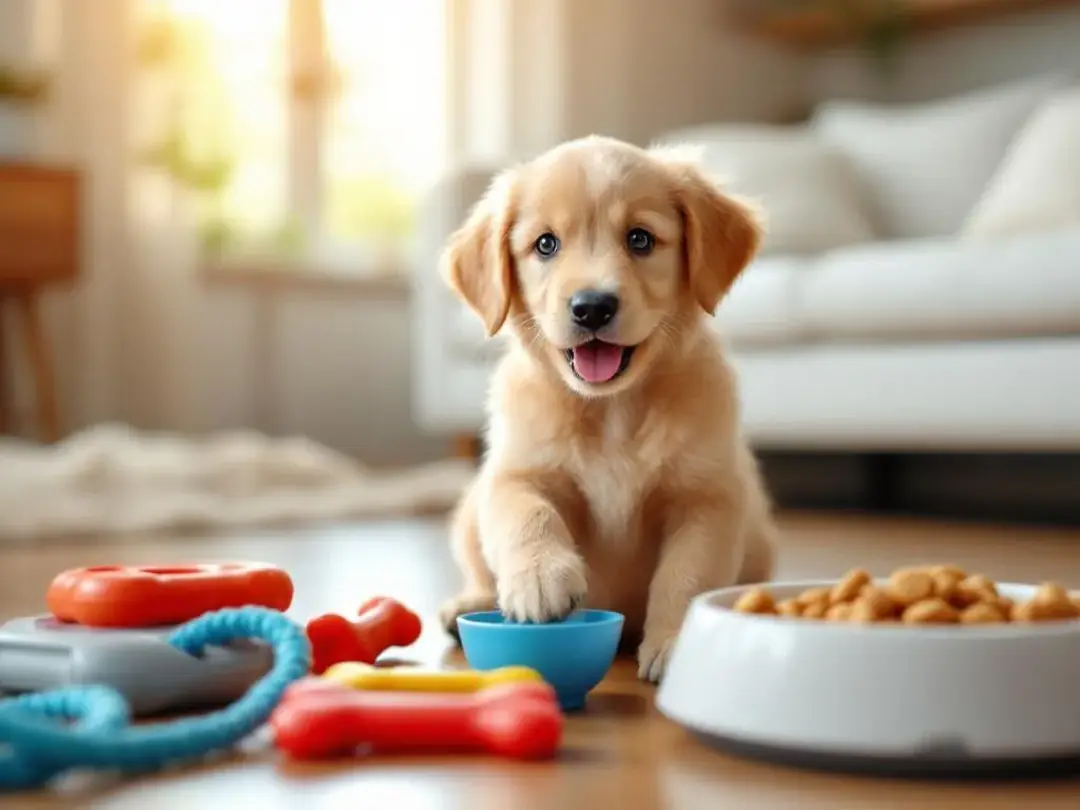
Focus on mental stimulation over physical exercise during this young age. Puzzle feeders, gentle tug games, and exploring new textures provide enrichment without risking injury or exhaustion.
Include 3-4 short play sessions of 10-15 minutes each throughout the day. These brief bursts align with your puppy's natural attention span and energy patterns. End each session before your puppy becomes overtired or overstimulated.
Rotate between interactive toys, chew toys, and gentle games to maintain interest. Mental stimulation tires puppies more effectively than physical exercise at this age, supporting both learning and appropriate fatigue for nap times.
Avoid stairs, jumping, and long walks until growth plates close around 12-18 months. These activities can damage developing joints and bones. Stick to level surfaces and controlled environments for now.
Watch for signs that playtime should end: excessive panting, loss of coordination, or decreased interest in toys. Young pups don't self-regulate well, so you must monitor their energy levels and enforce rest periods.
Early Training and Socialization
Begin basic commands in 5-minute training sessions focusing on name recognition, "sit," "come," and "stay." These brief sessions match your puppy's attention span while building the foundation for more advanced training later.
Start training with leash introduction indoors, having your puppy wear their collar or harness for short periods. Indoor leash training reduces overwhelming outdoor distractions while your puppy learns to accept these new sensations.
Introduce controlled socialization with fully vaccinated, calm adult dogs only. Until your puppy is fully vaccinated, limit contact with unknown dogs but prioritize positive experiences with healthy, patient adults who enjoy puppies.
Expose your new pup to household sounds at low volumes: vacuum cleaners, doorbells, television, and kitchen noises. Gradual exposure during this critical socialization period prevents noise phobias and builds confidence in your puppy's new environment.
Handle your puppy's paws, ears, and mouth daily for future grooming and vet visits. These brief, positive handling sessions make routine care much easier throughout your dog's life. Pair handling with treats and praise to create positive associations. If you want a more detailed plan for those first exposures, our how to socialize a puppy guide is a useful next step.
Sample 8-Week Puppy Daily Schedule
A sample routine helps you see how feeding, potty breaks, naps, and short training periods fit together across a real day.
| Time | Activity |
|---|---|
| 6:30am | Wake up and immediate potty break outside |
| 7:00am | First meal, water, then potty break 20 minutes later |
| 7:30am | Short play session, then crate nap until 9:30am |
| 9:30am | Potty break and 5-minute training session |
| 10:00am | Supervised exploration, then nap until 12:00pm |
| 12:00pm | Second meal, potty break, gentle playtime |
| 1:00pm | Afternoon nap in crate until 3:30pm |
| 3:30pm | Potty break and calm socialization or exploration |
| 4:30pm | Quiet bonding time, then short rest |
| 5:00pm | Third meal, potty break, family interaction |
| 6:30pm | Potty break and short indoor play or basic commands |
| 8:00pm | Final meal and potty break after eating |
| 9:00pm | Calm family time and gentle handling practice |
| 10:00pm | Final potty break, bedtime routine, crate time |
| 2:00am | Middle-of-night potty break, then straight back to crate |
This complete schedule provides structure while remaining flexible enough to adapt to your family's routine. Adjust timing by 15-30 minutes as needed, but maintain consistent intervals between activities.
Troubleshooting Common Schedule Challenges
Adjust timing by 15-30 minutes if your puppy consistently has potty accidents at specific times. Pay attention to patterns-if accidents always happen at 10am, move the 9:30am potty break to 9:15am and add an extra break at 10:15am.
If your puppy won't eat on schedule, consult your veterinarian about appetite concerns. Some puppies need slight schedule adjustments or different food textures. Don't skip meals, but be flexible about timing within a 30-minute window.
Handle crate whining by ensuring potty and comfort needs are met first. Young puppies may whine briefly when learning crate routines, but excessive vocalization often indicates they need a potty break, water, or simply haven't learned to settle yet.
Modify the schedule for working owners with midday puppy care arrangements. Pet sitters, dog walkers, or daycare can maintain your routine when you're away. Consistency across caregivers accelerates training and reduces confusion.
Expect schedule disruptions during the first week as your puppy adjusts to their new home. New puppy parents often face challenges as both puppy and family learn the routine. Be patient with accidents and gradually tighten the schedule as everyone adapts.
Gradually extend time between potty breaks as your puppy matures. By 12 weeks, many puppies can wait 3-4 hours between breaks during the day. Watch your individual puppy's signals and adjust accordingly rather than rushing this progression.
Remember that your puppy grows quickly, and their needs will evolve. This 8-week schedule provides the foundation, but you'll modify timing, portions, and activities as your puppy develops. The key is maintaining structure while adapting to your puppy's changing needs.
Setting schedules may feel overwhelming initially, but most puppies and their owners settle into comfortable routines within 2-3 weeks. Your patience during these intensive early weeks creates the solid routine that makes life with your new family member enjoyable for years to come. Focus on consistency over perfection, and celebrate the small victories as your puppy learns to thrive in their new life with you.
FAQ
Common Questions About an 8 Week Puppy Schedule
These quick answers cover some of the most common questions new puppy owners have about feeding, potty breaks, sleep, and early training.
How often should an 8-week-old puppy go out to potty?
Most 8-week-old puppies need a potty break every 60-90 minutes while awake, plus right after meals, naps, play sessions, and before bed.
How many times a day should an 8-week-old puppy eat?
Four meals a day is a common schedule at this age because puppies have small stomachs and need steady energy for growth.
How much sleep does an 8-week-old puppy need?
Most puppies this age need about 16-18 hours of sleep in a full day, including naps and overnight rest.
Should I wake my puppy up for nighttime potty breaks?
In the first weeks, many owners do schedule one or two overnight potty breaks to prevent accidents and help the puppy succeed in the crate.
What if my puppy does not follow the schedule perfectly?
That is normal. Use the schedule as a framework, then adjust by small amounts based on your puppy's energy, appetite, and potty patterns.
When can I start training an 8-week-old puppy?
You can start immediately with very short, positive sessions focused on name recognition, handling, crate comfort, and simple cues like sit and come.


