

Our Top 101 Favorite Traits of a Mini Goldendoodle
The Mini Goldendoodle is a popular designer breed known for its friendly and affectionate nature. The Goldendoodle dog, a hybrid breed resulting from the cross between a Golden Retriever and a Miniature Poodle, combines the best traits of both pet parents breed, including their genetic makeup and characteristics. The American Kennel Club (AKC) sets the standards for registered dog breeds and does not recognize Mini Goldendoodles as they focus only on purebred dogs. This breed is a cross between a Golden Retriever and a Miniature Poodle, combining the best traits of both parent breeds.
Minis are known for their hypoallergenic Goldendoodle coats, making them a great choice for people with allergies. They are also highly intelligent and easy to train, inheriting the best qualities from both poodles and Golden Retrievers.
The lovingly amazingness that is the Mini Goldendoodle (1990s), and all those amazing personality traits that come with them, there is litter doubt that this breed is here for absolute good. As you read over the list below, you will see just how amazing Mini Golden doodles really are and with these characteristics, it is easy to see why everyone keeps falling in love with the breed over and over again.

- 101
Responds Well to Training
Positively reacts to training efforts: The Mini goldendoodle respond well to training and positive reinforcement
- 100
Enjoys Groom Time
Mini Goldendoodles shed very little due to their Poodle lineage, making them suitable for people with mild allergies. Mini Goldendoodles have floppy ears, which require regular checks to prevent ear infections.
- 99
Requires Regular Vet Check-Ups
Positively reacts to training efforts: The Mini goldendoodle respond well to training and positive reinforcement
- 98
Happy Disposition
Generally, has a cheerful and happy nature: The Mini Goldendoodle is cheerful and maintain a happy disposition
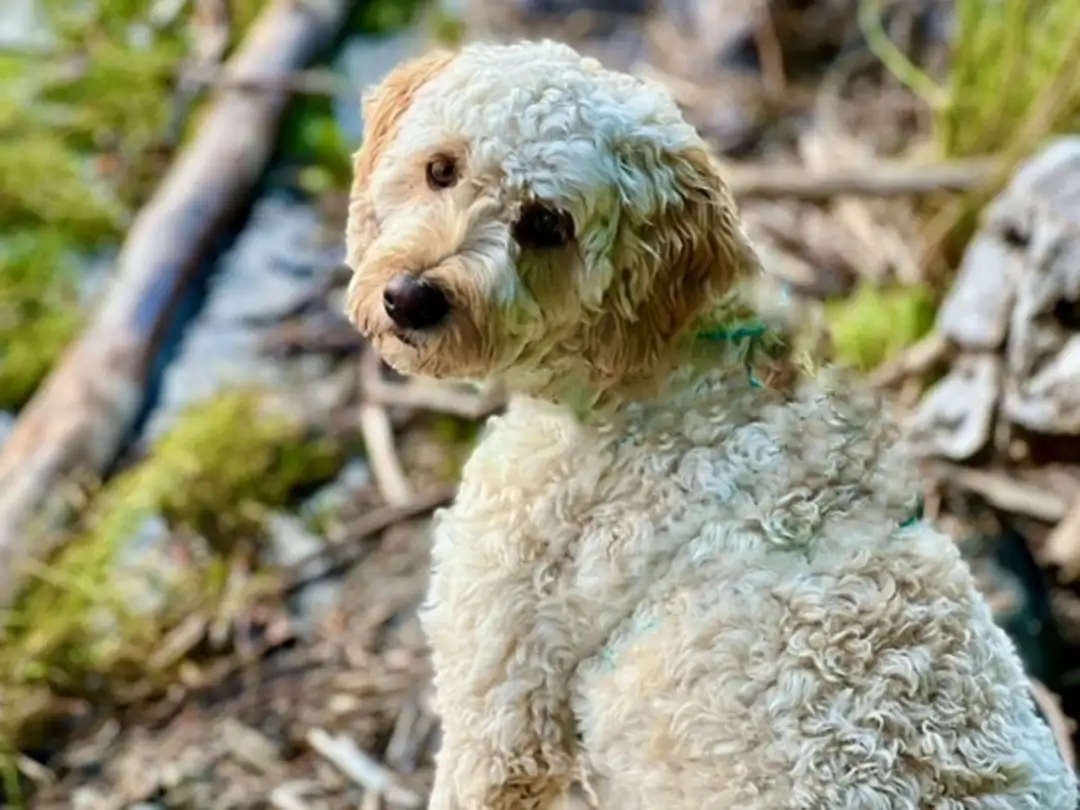
Excellent Sense of Hearing
Has very sharp hearing abilities: Their excellent sense of hearing helps them detect sounds easily
- 96
Adaptable to Different Living Situations
Can adjust to various living environments: They are adaptable to different living situations, from apartments to houses
- 95
Enjoys Playing with Toys
Mini golden doodles engage with a good activity level across a variety of toys: They enjoy playing with a wide range of toys
- 94
Prefers Company of Humans
Prefers being around people rather than being alone: They thrive on human interaction and prefer not to be left alone
- 93
Quick to Learn New Tricks
Quickly picks up new tricks and skills: They are quick learners and enjoy mastering new tricks
- 92
Excellent Companions for Families
Make excellent family dogs: The Miniature Goldendoodle is also an excellent companion for families
- 91
Loyalty to Family
Shows strong loyalty to its family: They are highly loyal to their family members, just be sure to research your mini goldendoodle breeder and focus on finding an ethical goldendoodle breeder with history working with their dogs and the AKC Canine Good Citizen program. It is also important to obtain health clearances from reputable as well as ethical breeders, specifically for hip dysplasia, to ensure the well-being of your pet
- 90
High Curiosity
Always interested in exploring and learning new things: Their curiosity drives them to explore and learn. This curiosity and social nature are inherited from their Golden Retriever parent, which is known for its lively personality and high trainability.

- 89
Enjoyment of Social Gatherings
Likes being in social settings with lots of people: They enjoy social gatherings and being around people
- 88
Gentle Temperament
Calm and mild-mannered behavior: Kind and very gentle demeanor
- 87
Active Breeder Indoors and Outdoors
Enjoys activities both inside the house and outside: They are active both indoors and outdoors. A mini Goldendoodle puppy comes in a variety of coat types and colors, influenced by genetics.
"The physical traits, including coat type, length, and color patterns, can be quite unpredictable due to diverse breeding outcomes."
—Dr. Joanne Fernandez, DVM
Regular grooming is essential to maintain their low-shedding coats. Dr. Fernandez further advises, "To ensure the health and well-being of Mini Goldendoodle Puppies, it's important to choose an ethical goldendoodle breeder and schedule regular veterinary examinations."
- 86
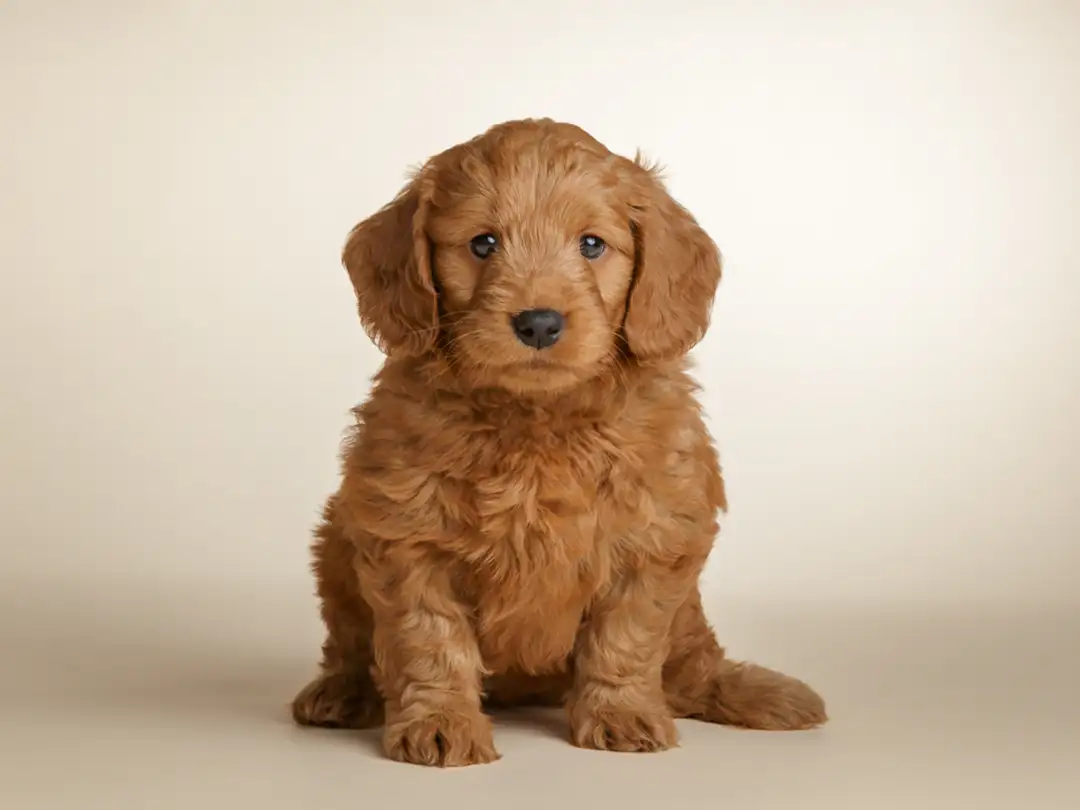
Enjoyment of Watching TV with Owners
Likes to sit and watch television with family members: They enjoy relaxing and watching TV with their family
- 85
Calm in Crowded Places
Remains calm in busy or crowded environments: The Mini Goldendoodle are generally calm, even in crowded places
- 84
Prompt in Informing Owners of Visitors
Quickly alerts pet owners to the presence of visitors: They are quick to inform their owners when someone arrives
- 83
Frequent Napping
Takes regular naps throughout the day: Mini Golden doodles really enjoy taking frequent naps to recharge
- 82
Preference for Cooler Sleeping Areas
Likes to sleep in cooler areas: They prefer sleeping in cooler spots to stay comfortable
- 81
Good Response to Positive Reinforcement Socialization
Responds well to rewards and praise during training: Positive reinforcement works well in their training
- 80
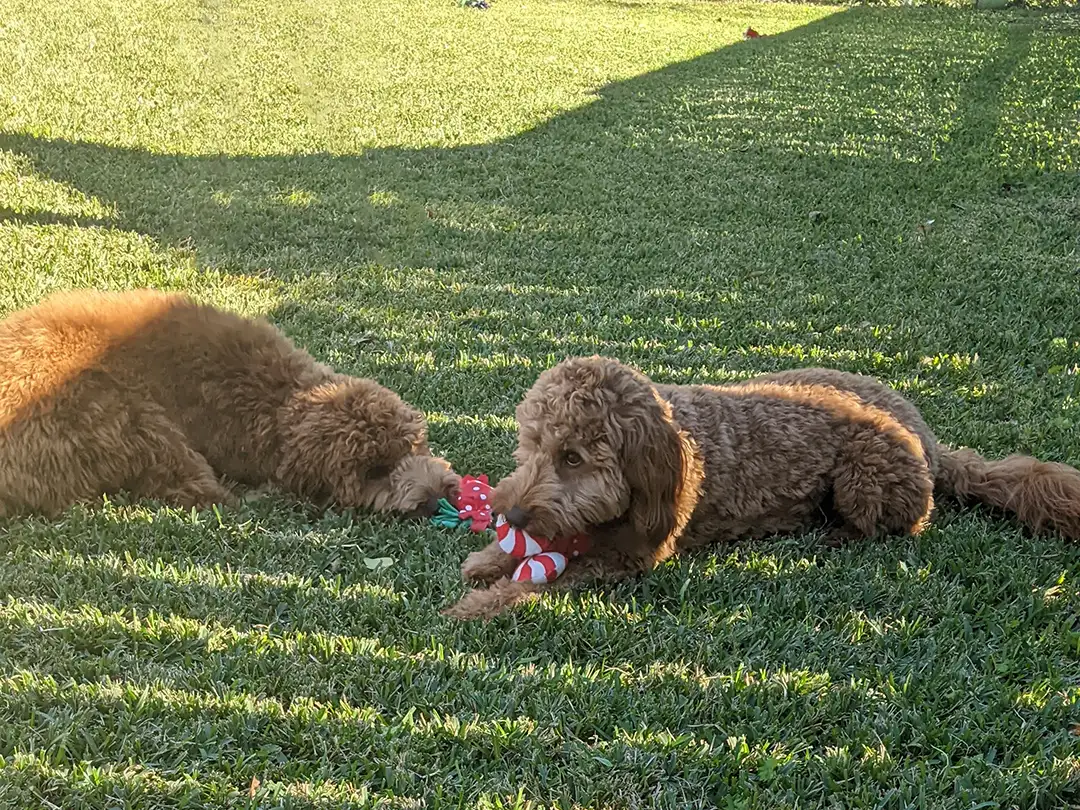
Enthusiasm for Puzzle Toys
Enjoys playing with toys that challenge their problem-solving skills: They love toys that challenge their minds and problem-solving abilities. Mini Goldendoodle puppies come in a variety of coat types and colors, and regular grooming is essential to maintain their low-shedding coats.
Ability to Navigate Obstacles
Skilled at moving around obstacles: The Mini goldendoodle is agile and skilled at navigating obstacles in their
Tendency to Mimic Human Behavior
Often imitates the actions of their owners: These dogs tend to mimic the behaviors and actions of their human companions
Ability to Sense Danger
Can detect and react to potential threats: They are alert and can sense potential threats or dangers
Strong Connection with Children
Forms strong bonds with children: They form strong, loving bonds with children, making them great family pets
Quick Recovery from Minor Ailments
Heals quickly from minor injuries or illnesses: They recover quickly from minor health issues
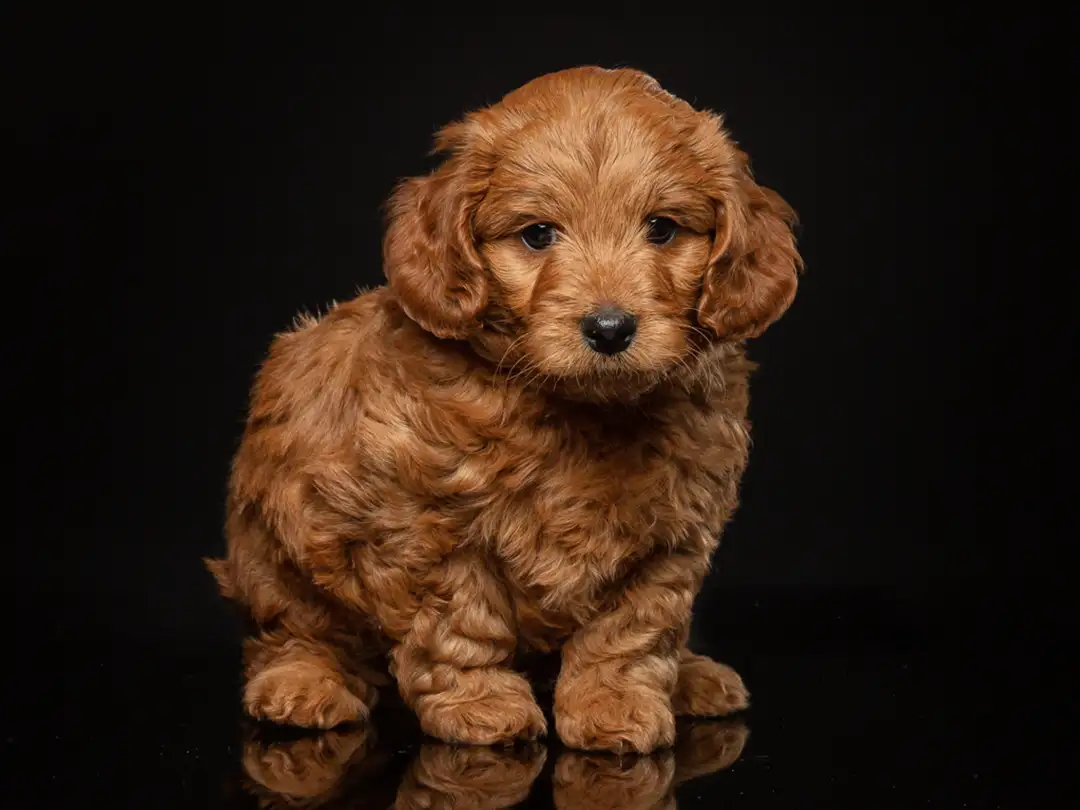
Enthusiastic Morning Greeters
Cheerful and happy in the mornings: Mini golden doodles often greet the day with a cheerful and happy disposition
Adaptable to Different Walking Paces
Adjusts walking speed to match the owner's pace: Mini Golden Doodles are adaptable and adjust their walking speed to suit their owner
Enjoyment of Family Outings
Enjoys participating in family activities and outings: The Mini Goldendoodle just love being involved in family outings and activities
Affinity for Soft Chew Toys
Prefers soft toys to chew on: A Mini Golden Doodle positively loves chewing on soft toys, which are gentle on their teeth and fantastic for dental hygiene
Good Tolerance for Heat
Can handle hot weather conditions well: They tolerate hot weather, but precautions should be taken to keep them cool. Mini Goldendoodles bark in response to emotions like happiness or excitement, and while training can help manage their barking, they are generally vocal
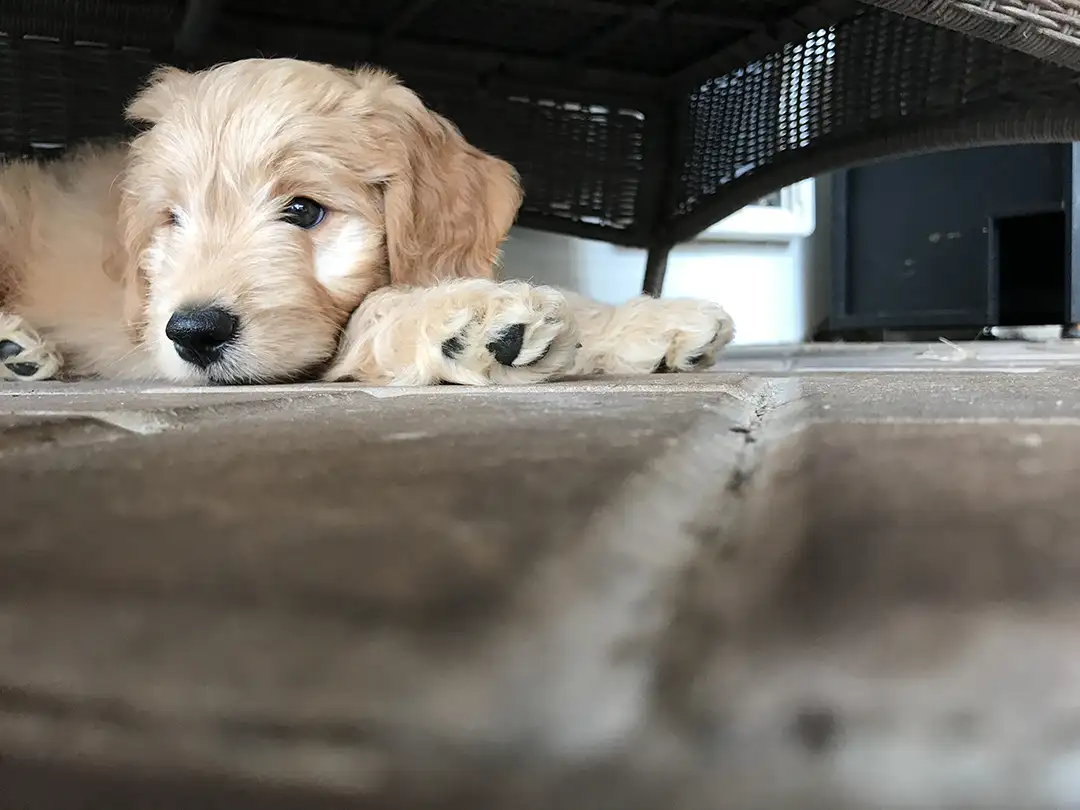
Ability to Relax in Crates
Comfortable being in a crate when needed: Goldendoodle pups can relax during crate training, also making it useful for travel
Excellent for Single Owners
Suitable for people living alone: The Mini Goldendoodle is quite adaptability and affectionate nature make them suitable for single owners
Miniature Goldendoodles are Great with Routine
Thrives on a regular routine: Mini golden doodles do well with a consistent daily routine
Balanced Independence and Dependence
Can be both independent and enjoy human company: They balance independence with a love for human companionship
Zest in the Breed for Adventures
Mini Goldendoodles are intelligent, friendly, and sociable, making them great companions for families and adventurers alike. With their zest for exploration, they thrive on discovering new places and adapting to diverse households
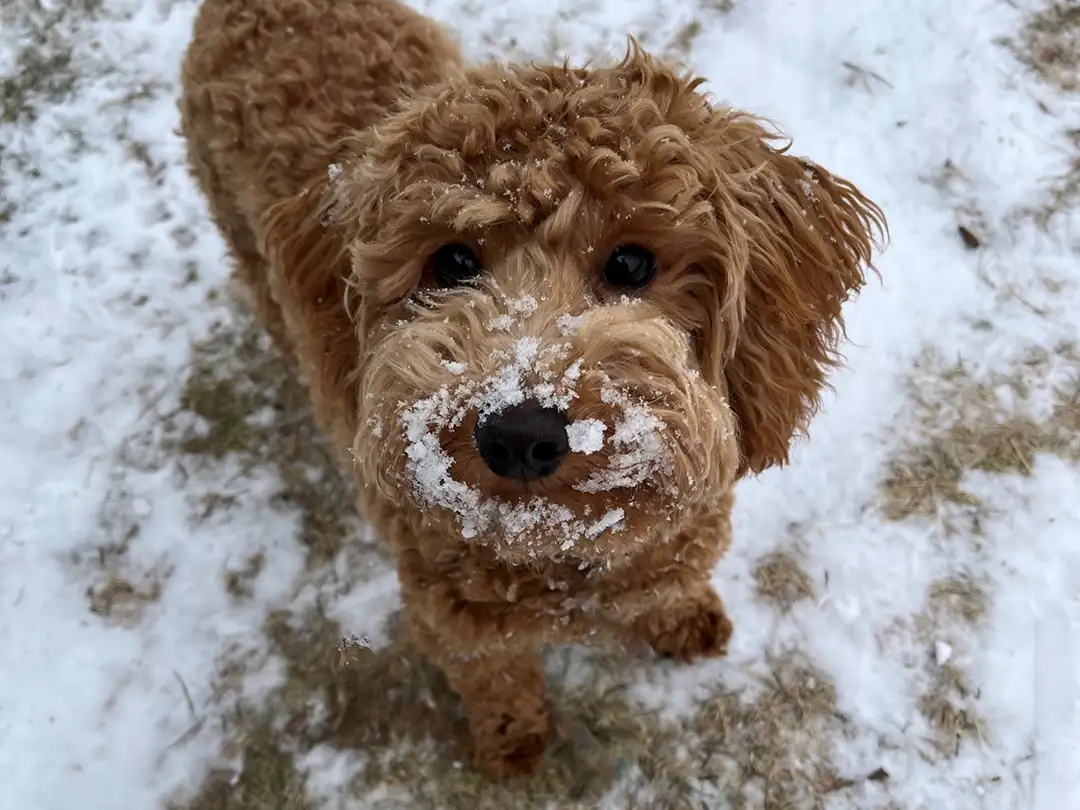
Patience with Grooming allows for a Calm and Positive Experience
Mini Goldendoodles handle grooming with patience, making trips to the groomer a breeze. Thanks to hybrid vigor, they are less prone to genetic issues than purebreds. While many inherit low-shedding coats from their Poodle lineage, shedding can vary, and no breed is entirely non-shedding
Loving Breed with a Fun Temperament
Energetic and fun-loving: They are full of energy and love having fun, making mini golden doodles lively companions
Love for Outdoor Exploration
Enjoys exploring the outdoors: They love outdoor adventures and a perfect fit for exploring new environments
Quick Stress Recovery
Recovers quickly from stressful situations: They have the ability to recover quickly from stressful or new situations thanks to hybrid vigor
Goldendoodle Puppy make Ideal Companions for Elderly
Great pet for older adults due to gentle nature: Their gentle temperament makes them ideal companions for older adults loving to be laidback. The community and support among goldendoodle owners enrich the experience of owning a Goldendoodle, providing shared experiences and emotional bonds. Mini Goldendoodles tend to be good companions, friendly towards other dogs, and suitable for families, while requiring adequate training and socialization
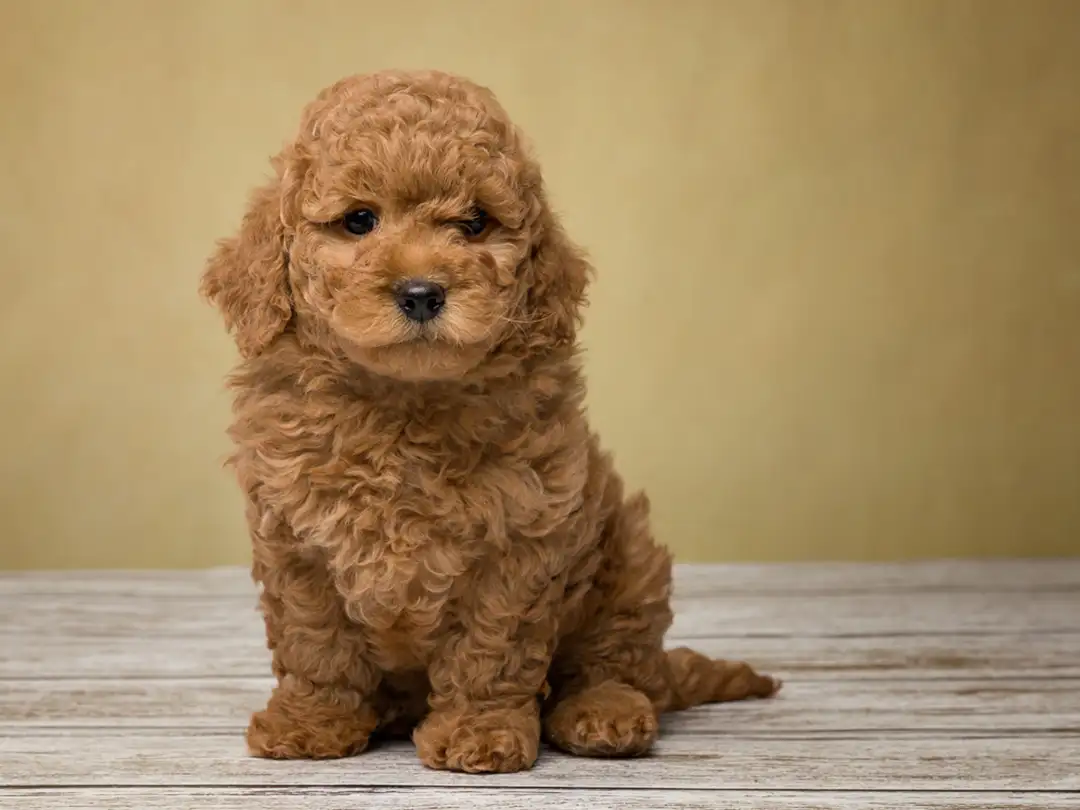
Versatile
The Mini Goldendoodle can participate in a variety of activities: They are versatile and can engage in various activities, from agility to therapy work
Enjoyment of Light Hiking
Likes going on light hikes: Long or short the Mini goldendoodle will enjoy outdoor activities like light hiking and exploring nature trails
Strong Pack Mentality
Enjoys being part of a group: The Miniature goldendoodle have a pack mentality and enjoy being part of a group, whether humans or other dogs
Low Anxiety Levels
Generally calm and not prone to anxiety: They are typically calm and not easily anxious
Good at Indicating Needs
They have the best way and it is quite clear to their humans when they need food, water, or a bathroom break and have a high metabolism
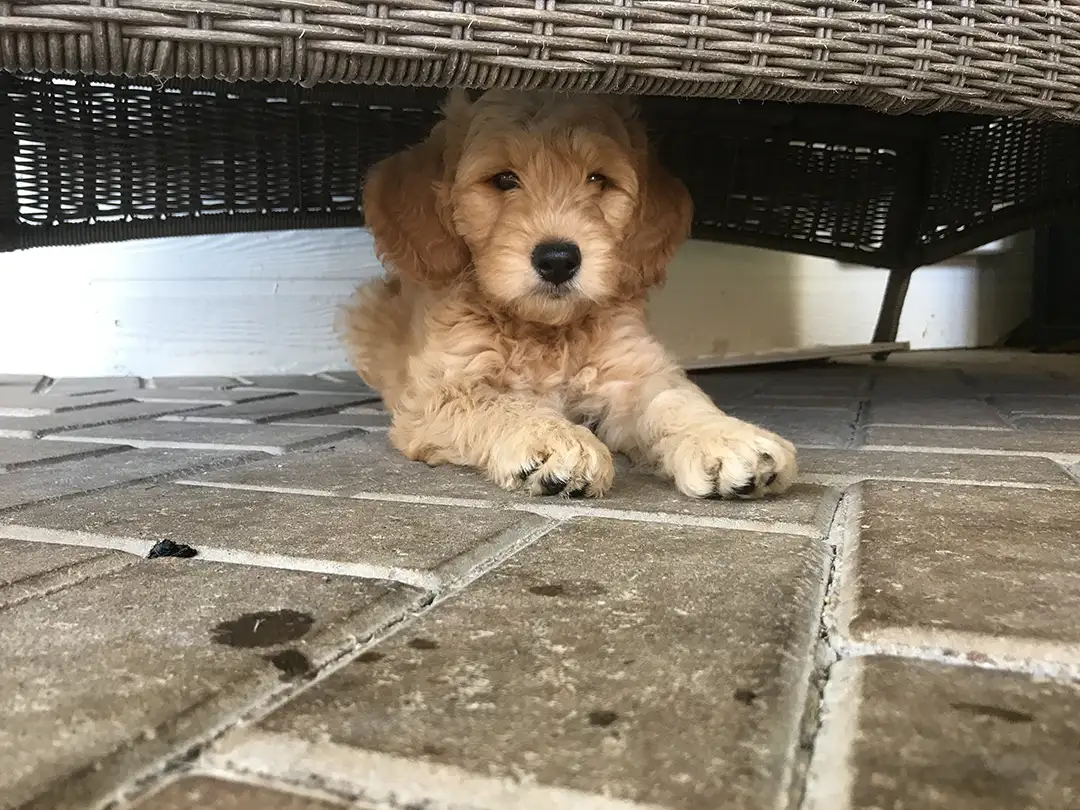
Enjoyment of Sunning
Likes to lie in the sun: They enjoy basking in the sun when the weather is pleasant
Enthusiastic Greeters
Welcomes people with enthusiasm: They greet people enthusiastically, making mini golden doodles very pleasant companions
Good Swimming Skills
Naturally a good swimmer: They are naturally adept at swimming and enjoy water activities
Quick Reflexes
Reacts swiftly to stimuli: They have quick reflexes and react promptly to different stimuli thanks in part to their golden retriever heritage.
Flexibility
Can handle hot weather conditions well: They tolerate hot weather, but precautions should be taken to keep them cool. The overall Temperament of Goldendoodles may cause them to bark in response to emotions like happiness or excitement, and while training can help manage their barking, they are generally vocal
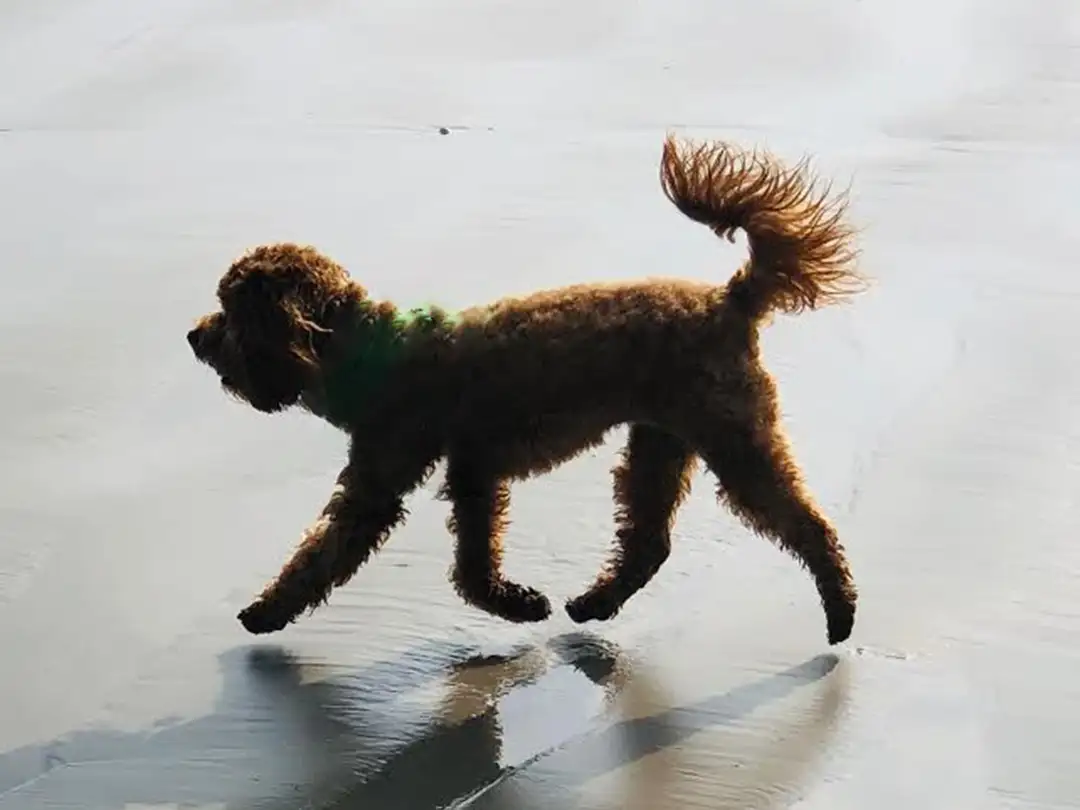
Minimal Dog Odor
Does not have a strong doggy smell: They do not have a strong odor, which is a plus for indoor living
Quick Adaptation to New Environments and Rules
Mini golden doodles Adapts quickly to new surroundings and routines: They adapt quickly to new environments and daily routines
Low Energy Indoors
Calm and relaxed when inside: They are generally calm and relaxed when indoors
Enjoyment of Cuddling
Loves to cuddle with family members: They are affectionate and enjoy cuddling with their family members
Stays Close to Owners/Home
Prefers to stay near its owners or home: Goldendoodle puppies, a cross between a purebred poodle and a golden retriever, tend to stay close to their owners or home, showcasing their loyalty and affection with their paws. The Miniature or Toy Poodle parent contributes to the Mini Goldendoodle Goldendoodles size and characteristics, including their low-shedding coats and intelligence
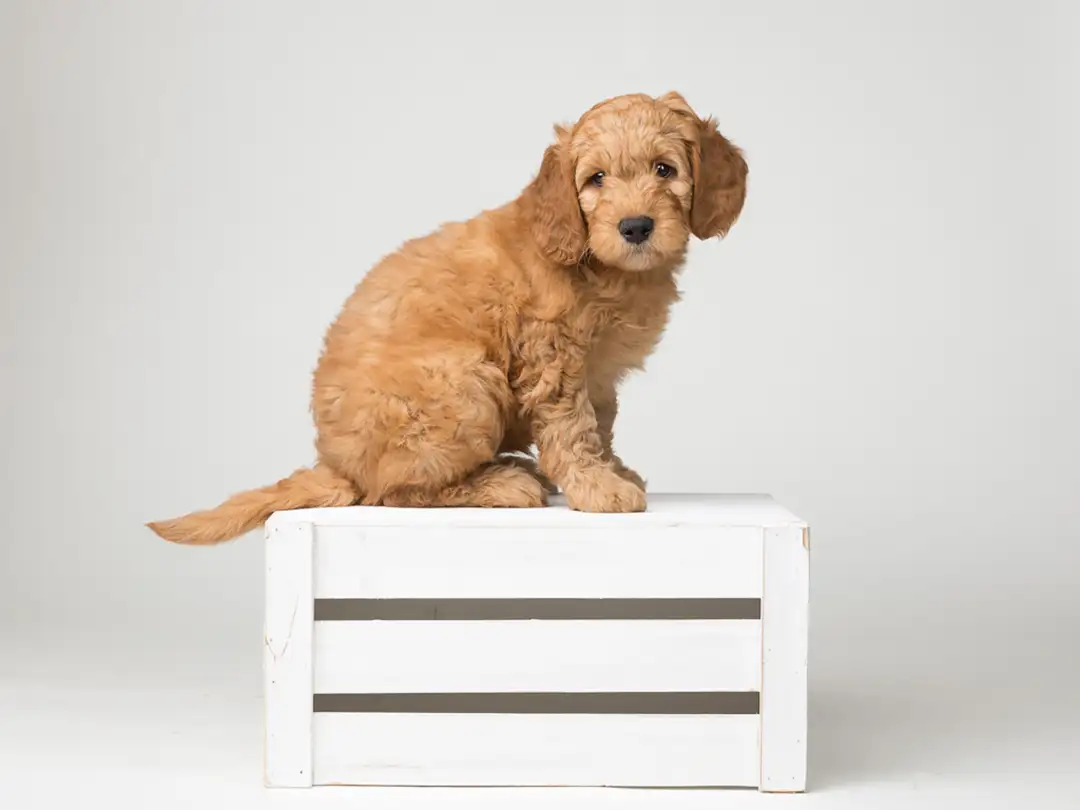
Environmental Awareness and Danger Sensing
Aware of surroundings and can sense danger: Very perceptive and can sense potential dangers in their environment
Enjoyment of Car Rides
Likes riding in cars: They enjoy car rides and adapt well to traveling by car
Preference for Soft Bedding
Prefers comfortable, soft places to sleep: They like to rest in soft, comfortable spots around the home
Gentle Bite
Has a soft bite, making it safe for play: They have a gentle bite, making them safe to play with, especially around children
Gentle with Elderly making for Perfect Therapy Dogs
Kind and gentle with older people: Their gentle nature makes them excellent companions for elderly individuals. Their affectionate and intelligent nature also makes them excellent therapy animals, but their smaller size limits their capability to function as traditional service dogs, which may necessitate larger breeds for those needing physical support. This gentle nature and high trainability are influenced by their Miniature Poodle parent.
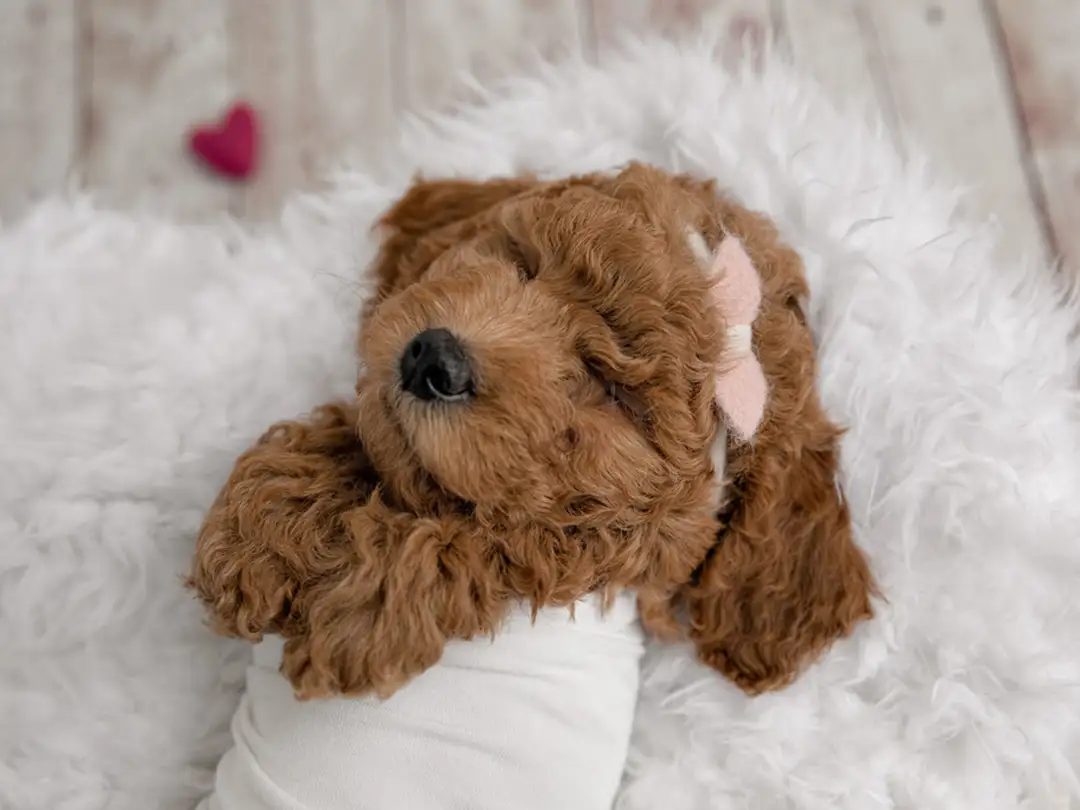
Playful and Interactive + Hypoallergenic
Mini golden doodles Enjoys playing and interacting with people and other dogs: They are playful and enjoy socializing with both humans and other dogs. Additionally, Mini Goldendoodles are suitable for becoming therapy dogs due to their sociable and affectionate nature.
Low Aggression Levels
Rarely shows aggressive behavior: They are generally gentle and rarely exhibit aggressive tendencies
Love for Human Interaction
Enjoys spending time with humans: They love being around people and thrive on human interaction and early socialization drives this
Apartment-Friendly
Adaptable to living in an apartment setting, as mini goldendoodles live comfortably in apartments as long as they get enough exercise
Adaptable to Various Weather Conditions
Tolerates different climates well: They adapt well to various weather conditions, from hot to cold climates
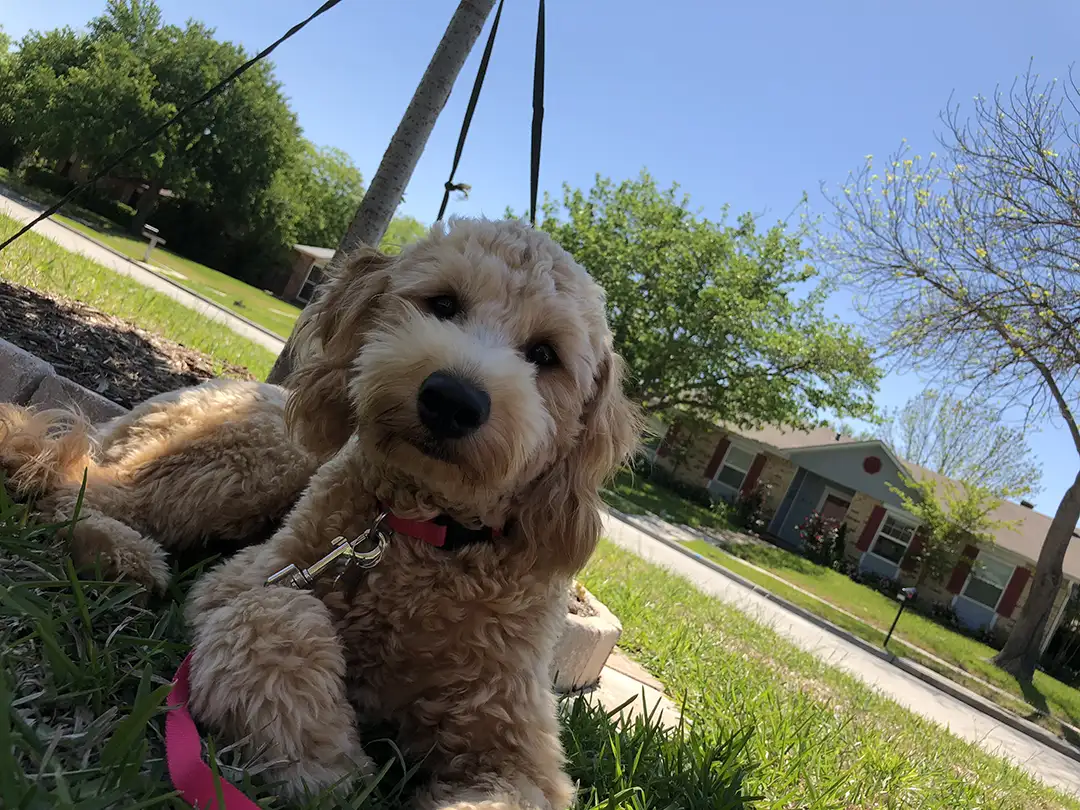
Moderate Barking Level
Barks occasionally but not excessively: They bark to communicate but are not excessively vocal
Great for First-Time Puppies
Suitable for people who have never owned a dog before: Their easygoing nature makes them a good choice for first-time dog owners
Low Drooling Tendency
Does not drool excessively: Unlike some breed mix, the Mini Goldendoodle does not drool excessively
Ease of House Training
Learns to use the bathroom outside or in a designated area easily: They are relatively easy to house train, learning quickly where to relieve themselves
Remarkable Strong Sense of Smell
Possesses a highly developed sense of smell: Their keen sense of smell makes them good at detecting scents and tracking. Toy Poodles, despite their Small size, are energetic and require daily Exercise, which contributes to the Mini Goldendoodle's active nature.
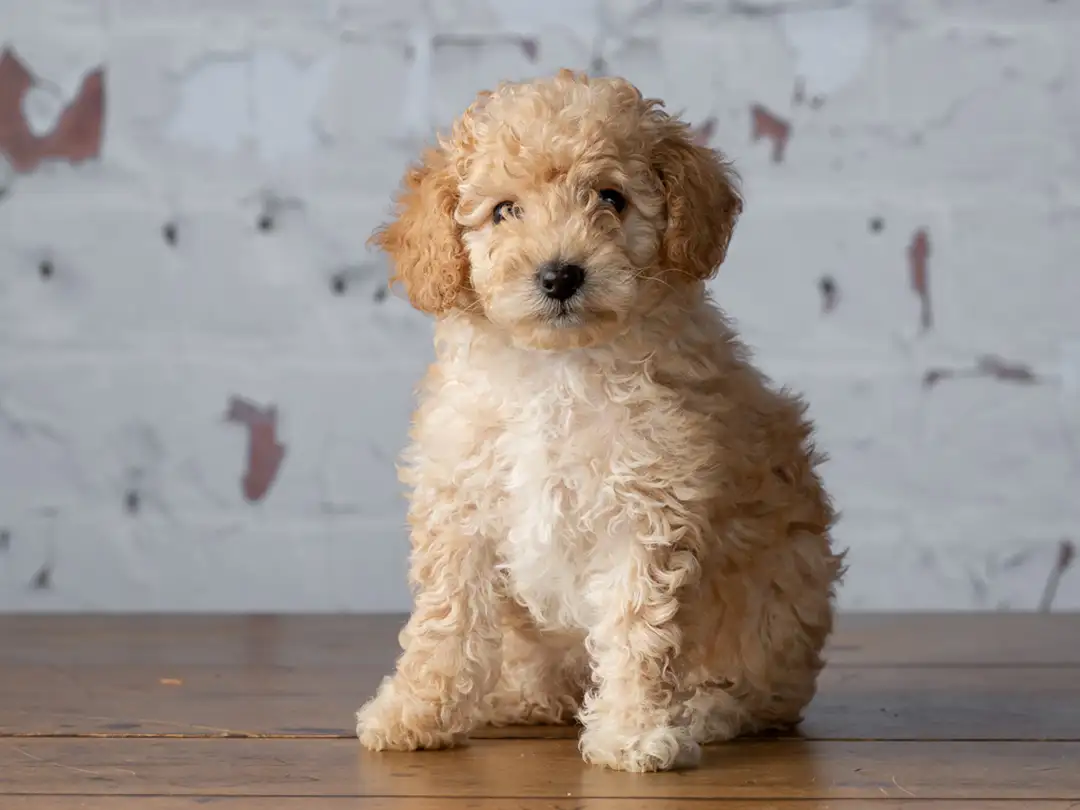
Reduced Prey Drive
Mini golden doodles Less likely to chase small animals: They have a reduced prey drive, making them less inclined to chase small animals
Curious and Explorative
Enjoys exploring new environments and objects: They are curious and enjoy exploring new surroundings and investigating different objects
Perceptive to Human Emotions
Sensitive to and responsive to human emotions: They can sense and respond to the emotions of their human companions and do best to remain with us in terms of any potential separation anxiety
Agile and Athletic
Exhibits good agility and athleticism: They are agile and athletic, making them great for various physical activities
Strong Bonding with Family (Golden Retriever) and Owners (Poodle)
Forms strong attachments to family members: They are known for forming strong, loving attachments to their family members
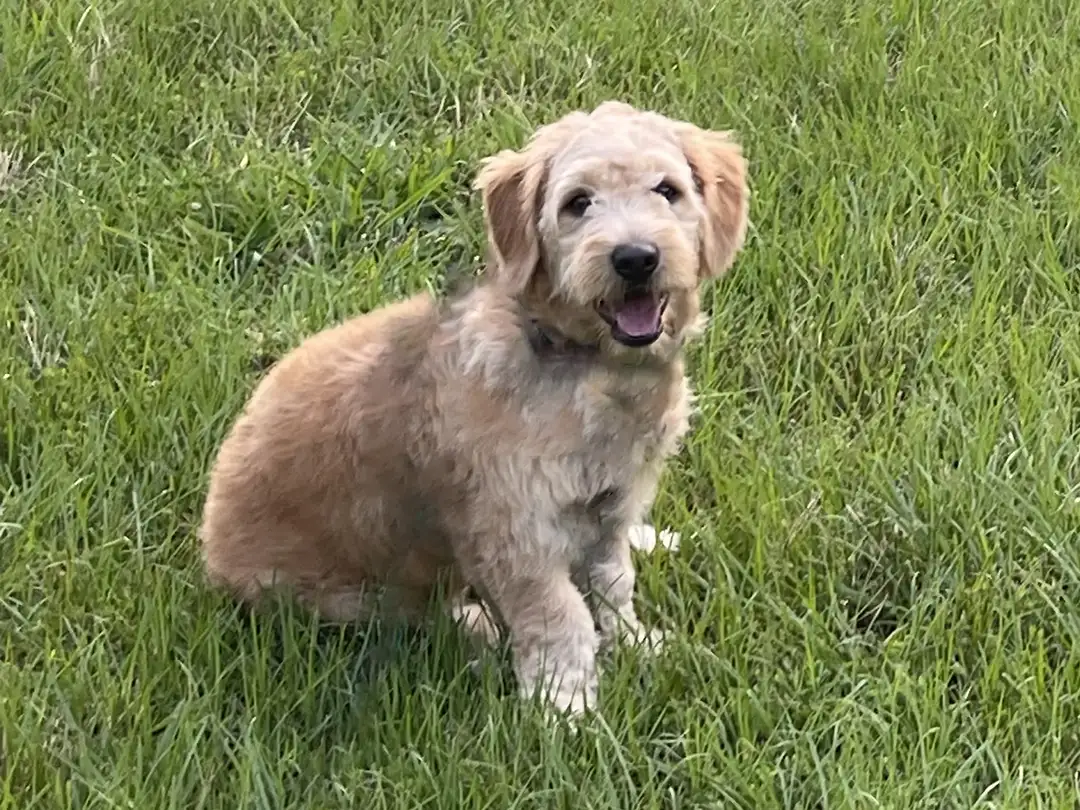
Coat Maintenance Variability
Coat care needs vary depending on coat type and they are good to go for groom time: The grooming requirements depend on whether they have a curly coat or one that is more wavy or straight
Minimal Shedding Helps those with Allergies
Sheds less than many other breeds: Compared to other breeds, as mini goldendoodles shed less, which is favorable for people with allergies. Obedience training is crucial for Mini Goldendoodles, as it plays a significant role in their behavior, especially when around children and other pets.
Therapy and Service Potential
Does not drool excessively: Unlike some hybrid dog breed mixes, this canine is a perfect companion and the Mini Goldendoodle does not drool excessively
Water-Loving Nature
Loves playing in water and swimming: They have a natural affinity for water and enjoy swimming and water-based activities
Early Bonding will create a Strong Foundation
Mini golden doodles Forms strong bonds early in life: They tend to form strong emotional bonds with their owners and families from a young age

Extroverted, High Compatibility, and Welcoming
Sociable and enjoys meeting new people: They are sociable and enjoy interacting with new people, making them great companions
Enjoyment and Compatibility with Travel
Enjoys traveling and adapts well to different modes of transport: They enjoy traveling and adapt well to cars, planes, and other transportation modes
Vocalization
Communicates through barking, whining, or other sounds: They use barking, whining, and other sounds to communicate their needs and feelings
Loyal and Protective Nature
Loyal and protective towards its family: They are known for their loyalty and protective instincts towards their family members
Understanding Their Behavioral Stimulation Needs
Knowing their behavior helps in training and care: Understanding their behavior patterns aids in effective training and care
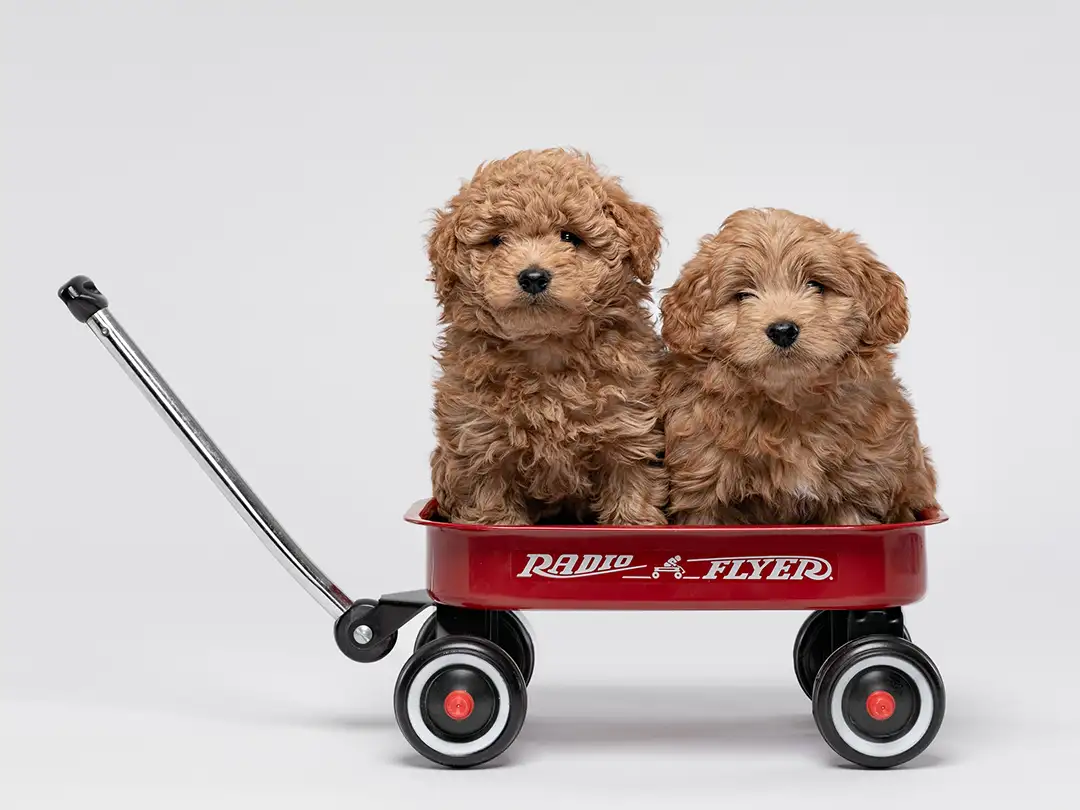
Need for Mental Stimulation
Needs activities that challenge its mind: Mental stimulation through various activities is necessary for their cognitive development
Passion and Aptitude for Fetch and Retrieving
Enjoys playing fetch and retrieving objects: They have a natural passion for playtime which is often a great game of fetch and retrieving items. Similar to a purebred golden retriever, Mini Goldendoodles enjoy ample playtime and can become bored if not exercised adequately
Essential Diet and Nutrition
Requires a balanced diet for optimal health: A balanced diet is crucial for maintaining their health and energy levels, all of which your veterinarian can go more detailed info or help figure out best amounts for those of a smaller size
Friendly with Kids, Other Animals, and Dogs
Good-natured around children, other pets, and dogs: They are generally good-natured and get along well with children, other pets, and dogs
Early Training and Socialization
Benefits greatly from training and socialization at a young age: Early training and socialization are key to developing a well-adjusted adult dog.

Hypoallergenic Myth
While less shedding, no dog is entirely hypoallergenic: Despite lower shedding, no dog breed is completely hypoallergenic. Mini Goldendoodles are considered mixed breed dogs, and their physical appearance can vary significantly due to the diverse genetic backgrounds of their parent breeds.
Health Considerations and Lifespan
Important health care aspects and typical miniature goldendoodle lifespan: It's crucial to consider their health care needs and typical life expectancy of goldendoodle for optimal care
High Flexibility to Changes
Adapts easily to changes in routine or environment: They adapt well to changes in their daily routine and different environments
Low to Medium Grooming Requirements
Needs regular but not overly frequent grooming: While they need grooming, it's not overly demanding, making maintenance manageable
Healthy Exercise Dogster Needs
Requires regular physical stimulation activities to stay healthy: Regular exercise is essential for their physical health and well-being
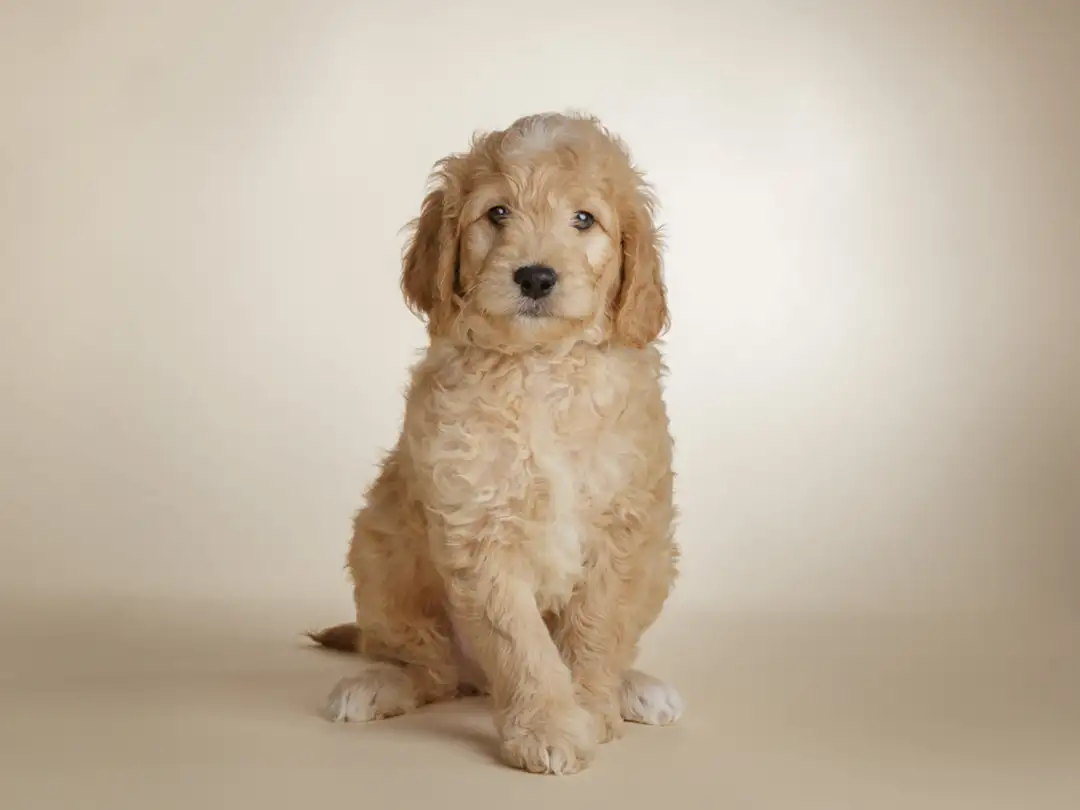
Variety in Coat Types and Colors
Comes in various textures (curly, wavy, straight) and colors (English Cream, apricot, red, black, etc.): Their coats come in different textures and a wide range of colors, providing variety
High Trainability and Quick Learning
Learns commands quickly and is easy to train: The Mini Goldendoodle is highly trainable and quickly learn new commands and tricks
Amiable and Approachable Temperament
Naturally friendly dogs and easily approaches people: They have a naturally friendly temperament and are comfortable approaching and interacting with people
Unique Size
Smaller than standard Goldendoodles, making them suitable for various living situations: Mini Goldendoodles are smaller in size, making them an ideal fit for apartments and small homes


